Natalie Pace. bestselling author of The Gratitude Game, The ABCs of Money & Put Your Money Where Your Heart is. Co-creator of the Earth Gratitude Project.
Menu

Natalie Pace Blogs

Picture
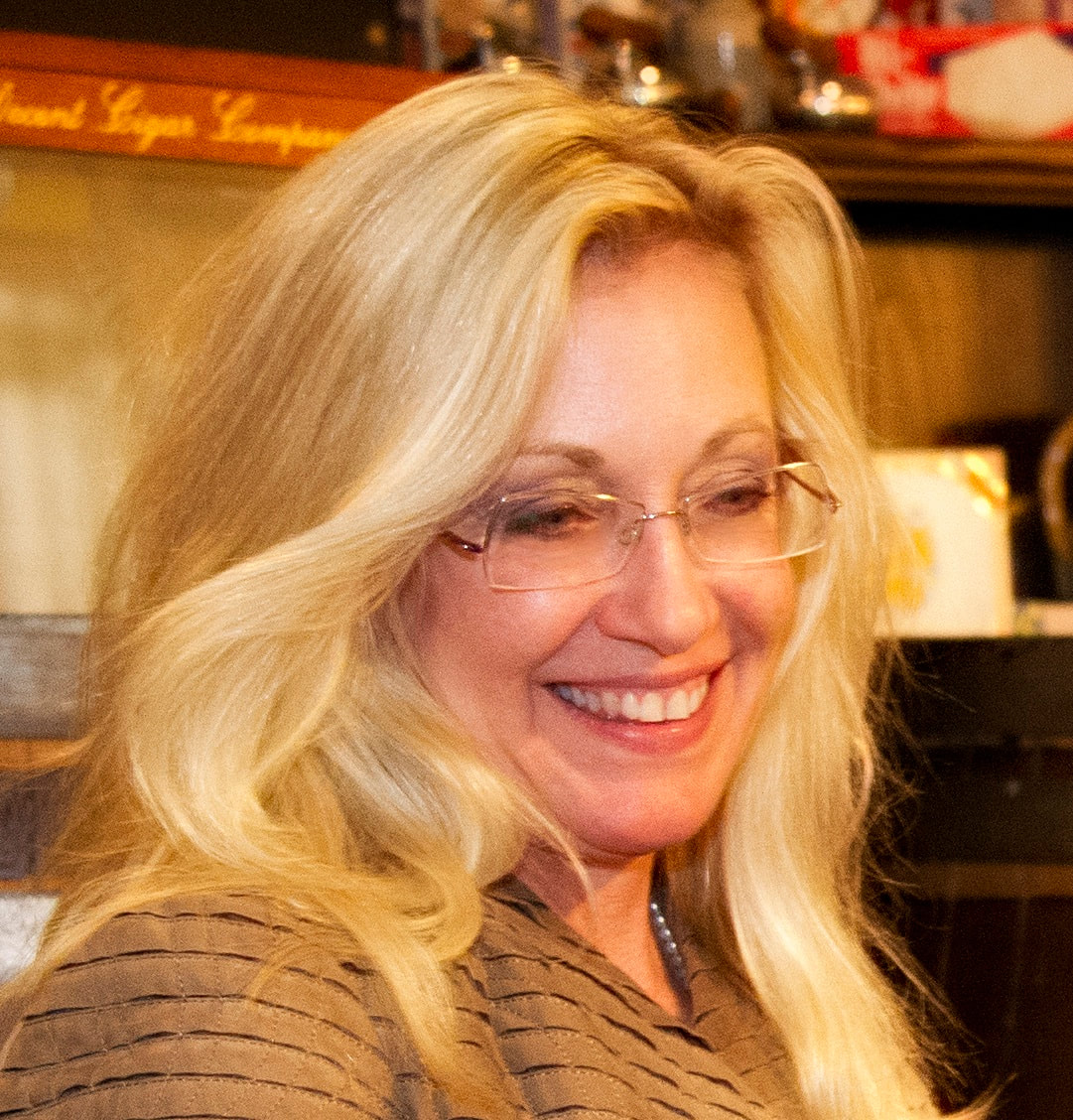
Photo of Natalie Pace by Marie Commiskey. Avalon Photography.
Picture
Picture
Picture
Picture
Picture

Answers to the 2024 Rebalancing Your Nest Egg IQ Test

27/5/2024

 
Picture
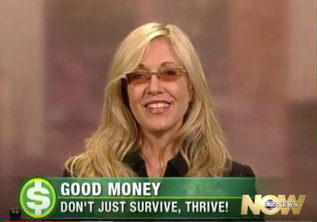
Natalie Pace on ABC's Good Morning America Third Hour.
 
Answers to the 2024 Rebalancing Your Nest Egg IQ Test

  1. What does rebalancing mean? Rebalancing is doing a forensic review of our wealth plan at least once a year to ensure that our current equity and fixed income holdings are in line with our goals.
  2. Why do we need to rebalance? Stocks and bonds gain or lose value throughout the year(s). Regular rebalancing of a properly diversified nest egg is a buy low, sell high plan on auto-pilot. Also, each year we get older. As we get closer to retirement, we want less “at risk,” and more of our money earning a steady income without losing our principal.
  3. How often should we rebalance? 1-3 times a year. Why? This allows us to keep our plan properly diversified and protected. If we’ve made a lot of gains, we capture them at the high. If the markets drop, the safe side of our plan protects us from losses, and gives us the liquidity to buy low. (Most people don’t buy low because they can’t. Buy and hope investors can lose half or more in recessions.) More than three times a year would be overkill. We’re more likely to make mistakes, or be driven by emotions. Our nest egg should be money while we sleep, not an obsession that we have to babysit. Most of us have day jobs.
  4. What is the easiest way to rebalance our nest egg? Print out a sample pie chart of what we “should have.” (We have a free web app where you can personalize your sample pie chart.) Mock up a pie chart of your current holdings and their value. Compare what you have to what you should have. Sell high in the slices that are too large. Buy low in the slices that have become slivers. Simply email [email protected] with FREE SAMPLE PIE CHART in the subject line to receive a link to the app.
  5. What are some of the fundamentals to properly diversifying our nest egg? Always keep a percentage equal to our age safe. Overweight or underweight safe based upon market conditions. Know what is safe in a Debt World. (What’s hot and what’s safe changes every year.) Diversify your at-risk equity holdings into ten funds – large, mid and small caps, value and growth, and four hot industries or countries. At our Investor Educational Retreat, we also teach you how to lean into the future and make sure that you are not investing in the typewriters of yesteryear, or companies that are drowning in debt, losing sales/revenue, and not making enough profit to meet their massive debt and overhead obligations.
  6. Which assets go into our nest egg? Liquid assets, such as stocks, bonds, funds, REITs, cash, money market funds, annuities, savings, cryptocurrency, etc. We often have multiple accounts, such as our employer retirement plan (401K or RSP), our personal IRA or TFSA, our checking, our savings, our crypto account, etc. All of these accounts are combined for our nest egg holdings.
  7. Which assets do not go into our nest egg? Hard assets, such as our home, income property and other real estate investments, with the exception of REITs (which are paper assets and go in our nest egg). Our business is also separate. Nest egg investments are “money while we sleep,” whereas our businesses and jobs take up a lot of our time. Our wealth might also include art, cars, jewelry and collectibles. These are part of our assets, but tend to be less liquid, are not able to be “rebalanced” and thus, are not included in our nest egg pie chart. I often do, however, put gold or silver coins as hot slices of the pie chart. Precious metals are very liquid and experience volatile price swings. Having a buy low, sell high plan helps tremendously.
  8. Should we invest in individual companies in our nest egg? Funds offer more protection than individual stocks, and require less babysitting. Most of us should not have individual companies in our nest egg – at least until we get as great at picking stocks as Warren Buffett.  
  9. What is the difference between value and growth? Value funds should have companies that are on sale. Growth funds include companies that are experiencing strong sales/revenue growth.
  10. What is the difference between small, mid and large cap funds? Small companies typically offer better performance. Trillion-dollar companies offer stability. So, it’s important to have both performance and stability in our plan.
  11. Why do we evaluate the funds we own? There are many reasons to know what you own. The Fantastic 5 doubled in 2023, while the Dow Jones Industrial Average earned less than 14%. (We spend a day teaching this at our Financial Freedom Retreats.) We can lean into the products and services of tomorrow, and avoid last-century products and companies. We can begin to green our investments, and ensure that we are not profiting from polluters.
  12. What kind of funds do we want to avoid? Some funds are filled with debt-laden, slow-growth companies that are paying dividends to keep investors interested, while putting their principal at risk of large losses. Just as with bonds, the higher the dividend the higher the risk of loss of principal. (Bonds lost -26% in 2022 – more than stocks! This is one reason why we spend a full day uncovering what is safe in our 3-day Financial Freedom Retreats.)
  13. What kind of funds do we want to own? The fund company itself should be a creditworthy company that has been around for decades, that is well-capitalized and is managed by a respected CEO. When diversifying, we can include foreign countries. We also lean into hot industries, allocating four of our slices to performance funds.
  14. What is an “everything and the kitchen sink” fund? Is this a fund we want to own? Why or why not? These are funds (like target date retirement funds) that try to do everything in one product. These were designed for a Buy & Hold strategy – a last-century game plan that hasn’t worked in the 21st Century. They also tend to charge more in fees and pay higher commissions – incentivizing broker/salesmen to sell them, even if they aren’t the best choice for many investors.
  15. When do we switch out funds and pick something new? What’s hot changes every year. So, evaluate your hot slices when you do your rebalancing. If you don’t know what’s hot, this is where you can rely on an analyst with a great track record, or consider adding in an investment that you really believe in (such as a Bitcoin, artificial intelligence, copper, or Fantastic 5 ETF)
  16. What are some key dates to consider rebalancing? Why? September is historically the worst performing month. The Santa and Spring Rallies are typically the strongest. So, we might find some Back to School Stock Sales (fund sales) at the end of September. Early January and early May might be good profit-taking rebalancing times.
  17. What kind of return are we aiming to achieve in our nest egg? 10% annualized gains, which is what stocks have done over the last 30 years (and used to be something we could count on for the fixed income side as well.). The Buy & Hope system has been losing more than half in recessions, and using the bull markets to make up losses. Since 2022, the fixed income side of our wealth plan can earn a safe 5% yield – but it’s tricky. FYI: between 2009 and 2016, we encouraged people to avoid the risk of long-term bonds and lean into real estate instead. Real estate has more than doubled. (As we say, “What’s hot and what’s safe changes every year.”)
  18. How can dollar cost averaging help our rebalancing? If we want to add in a hot industry or fund that is trading at an all-time high, we can dollar-cost average, rather than just buying everything at once. That way if the markets keep going up, the gains fill up our slice for us. If the markets go down, we buy more at a lower price, instead of buying high and losing money.  
  19. How do we determine when to capture gains or buy more? That’s the beauty of the pie charts – they show us how to do the right thing. If our slice is too large, it is prompting us to capture gains and trim the slice back to where it should be. If the slice is too small, it is encouraging us to buy more low. This system smooths out volatility and keeps us on the right side of the trade – even in industries like technology, clean energy and cryptocurrency, which experience wild swings. Technology and cryptocurrency were the worst performers of 2022 and the best of 2023. Clean energy tripled in 2021 and is back near all-time lows again.
  20. What is the difference between a “Stop Loss” mindset and a “Capture Gains” mindset? You don’t need stop losses with the pie chart system. When you keep an age-appropriate amount safe, you are automatically protected from market volatility and losses. If you see economic storms on the horizon, overweight more safe. Stop losses can actually increase your losses, rather than protect you, in a market that is such a rollercoaster, as Wall Street has been in the 21st Century. The pie chart system with regular rebalancing allows us to adopt a “Capture Gains” winning game plan. In a volatile market, if we set stop losses, we will be losing time and again. On the flip side, if we are anticipating the volatility and capturing gains during our rebalancing sessions, we will be winning over and over again.  
 
Of course, the devil is in the details. Implementing this strategy will be easier if you attend our Investor Educational Retreat. We also offer a Rebalancing Master Class every year. If you are a busy professional, or if you want to gain greater clarity on this plan (which is the life math that we all should have received in high school), consider getting an unbiased 2nd opinion from me in my private coaching practices. Email [email protected] for pricing and information. You’ll receive personalized pie charts and a wealth game plan in the 2nd opinion, which allows you to be in control and be the boss of your money – even if you have a financial advisor. (I don’t sell financial products, which is why my 2nd opinion is unbiased.)
 
 
Email info @ NataliePace.com or call 310-430-2397 to register for one of our online training programs. These time-proven, 21st Century investing, budgeting, debt reduction and home buying solutions will transform your life.


Join us at our online June 8-10, 2024 Financial Freedom Retreat. Learn how to protect your wealth, hedge against a weaker dollar, invest and compound your gains, green your retirement plan, easy and efficacious nest egg strategies, how to get hot and diversified (including in artificial intelligence and EVs), how to evaluate IPOs and other stocks, and what's safe in a Debt World. You'll even discover how to save thousands annually with smarter big-ticket choices. Yes, it's a complete money makeover. 
​
Email [email protected] to register. Learn the 15+ things you'll master and read testimonials in the flyer on the home page at NataliePace.com. Register with friends and family to receive the best price. 
​

"Ten minutes into the first day I was already much smarter about investing than I ever thought I would be in my life and I knew I was in exactly the right place at this retreat. I am amazed at how EASY and FUN it is to make my money work for me and those I love. I think this kind of information should be compulsory in schools. I wish I'd learned this sooner." CM

If you’d like an unbiased 2nd opinion on your current wealth plan, email [email protected] for pricing and information.



Picture
Join us for our Online June 8-10, 2024 Financial Freedom Retreat. Email [email protected] or call 310-430-2397 to learn more. Register with friends and family to receive the best price. Click for testimonials, pricing, hours & details.

Picture
Join us for our Restormel Royal Immersive Adventure Retreat. March 7-14, 2025. Email [email protected] to learn more. Register by May 30, 2024 to receive $200 off the regular price. Click for testimonials, pricing, hours & details. There is very limited availability, and you must register early to ensure that you get the exact room you want. This retreat includes an all-access pass to all of our online training for a full year for two and three 50-minute private, prosperity coaching sessions!
Picture
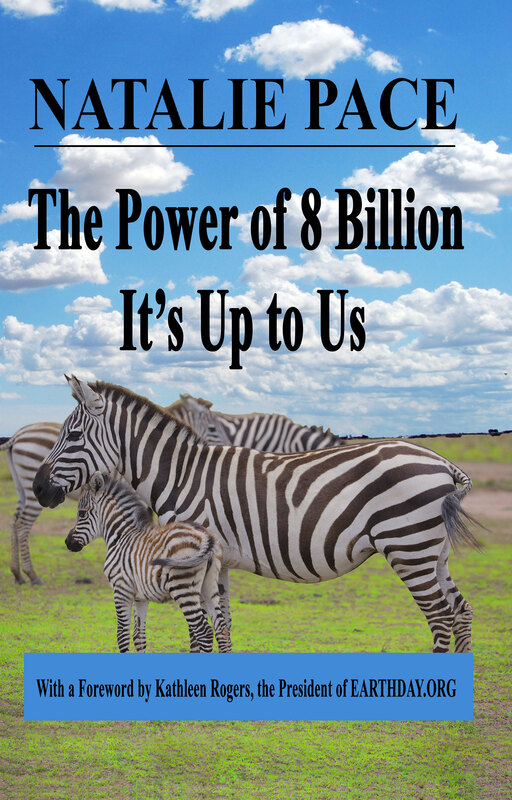
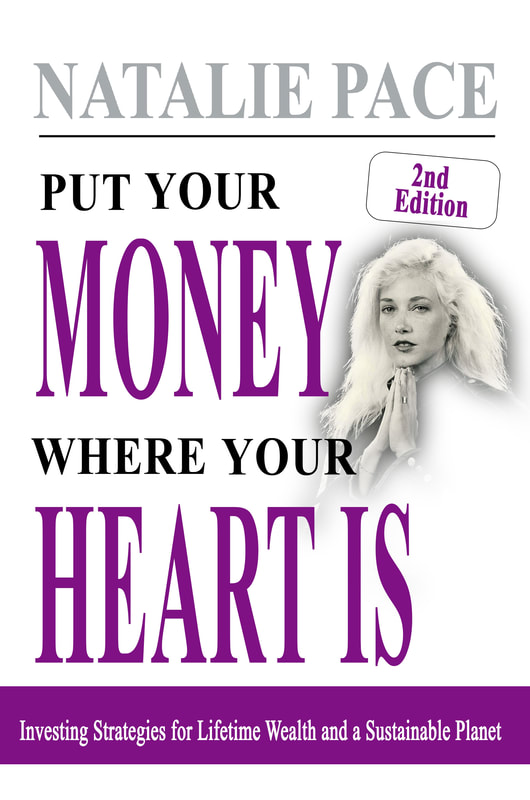
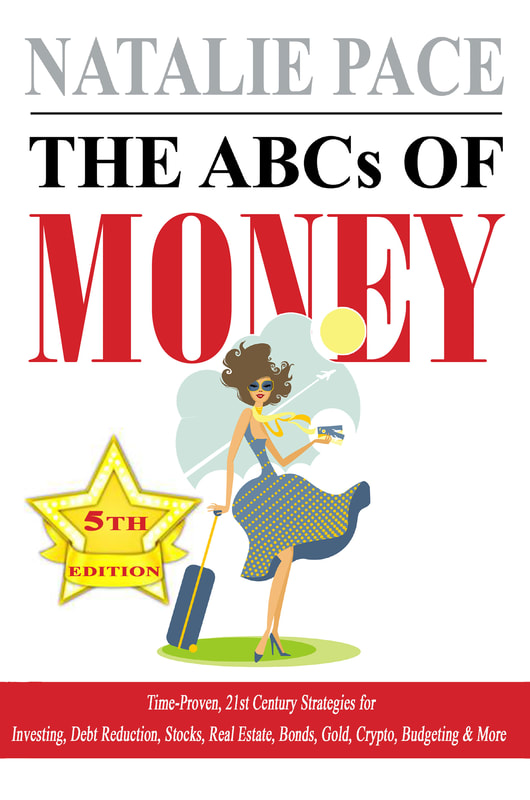
Natalie Wynne Pace is an Advocate for Sustainability, Financial Literacy & Women's Empowerment. Natalie is the bestselling author of The Power of 8 Billion: It's Up to Us and is the co-creator of the Earth Gratitude Project. She has been ranked as a No. 1 stock picker, above over 835 A-list pundits, by an independent tracking agency (TipsTraders). Her book The ABCs of Money remained at or near the #1 Investing Basics e-book on Amazon for over 3 years (in its vertical), with over 120,000 downloads and a mean 5-star ranking. The 5th edition of The ABCs of Money and the 2nd edition of Put Your Money Where Your Heart Is are the most recent releases of these books. Follow her on Instagram. 
​​​​​
Natalie Pace's easy as a pie chart nest egg strategies earned gains in the last two recessions and have outperformed the bull markets in between. That is why her Investor Educational Retreats, books and private coaching are enthusiastically recommended by Nobel Prize winning economist Gary S. Becker, TD AMERITRADE chairman Joe Moglia, Kay Koplovitz and many Main Street investors who have transformed their lives using her Thrive Budget and investing strategies. Click to view a video testimonial from Nilo Bolden.​


Check out Natalie Pace's Substack podcast on Apple and Spotify.
Watch videoconferences and webinars on Youtube.

Other Blogs of Interest
May is National Bike Month. Paris and Amsterdam are the Stars.
AI, Gold & Copper are on Fire. Sunpower Doubled. 
Sell in May and Go Away? What About the Election?
Vacations that Color Our World Forever.
The Magnificent 7 Drop to the Fantastic 5
9 Inflation, Budgeting, Debt Reduction and Investing Solutions.
China & Russia Double Their Gold Holdings. 
2024 Investment of the Year?
The Reddit IPO. Meme Stock or Snap Land?
Tesla's Factory in Germany Taken Offline by Activists.
Bitcoin Sets a New Record High. The Importance of Rebalancing. 
Beyond Meat's Shares Surge. Quaker Oats' Pesticide Problem.
Stocks are Flying High. Why Aren't Mine?
Cut Your Tax Bill in Half. 9 Tips.
Celebrity Jet CO2. Green Washing. The Facts. Some Solutions.
Copper: Essential to the Clean Energy Transition. 
Uh. Oh. More Bank Trouble.
Are Amazon, Square and Other Tech Companies Ripping Us Off?
Housing. Unaffordable. What Works? Case studies and creative solutions. 
Don't Reach for Yield. Closed-End Funds. 
2024 Investor IQ Test.
Answers to the 2024 Investor IQ Test.
Apple's Woes Drag Down the Dow. 
The Winners & Losers of 2023. Ozempic, Magnificent 7 & Beyond. 
2024 Crystal Ball. 
The Underperforming DJIA, Full of Fossil Fuels and Forever Chemicals.
A Spectacular Year for 3 of the Magnificent 7.
The Best ROI* (Almost 40%!) & 7 Life Hacks That Save Thousands.
Portugal Eliminates Tax Advantages for Ex-Pats.
Earn $50,000 or More in Interest. Safely. Finally. 
WeWork's Bankruptcy. Half-Empty Office Buildings. Problems in our Personal Wealth Plan.
Solutions for Unaffordable Housing.
Cruise Ships Give Freebies to Investors. Should You Take the Bait? Should You Take a Cruise?
Bonds. Banks. The Treacherous Landscape of Keeping Our Money Safe.
7 Rules of Investing
13 Lifestyle Choices to Reduce Waste, Pollution & CO2 & Save a Boatload of Dough.
China Bans Apple
11-Point Green Checklist for Schools.
Artificial Intelligence and Nvidia's Blockbuster Earnings Report
​Biotech in a Post-Pandemic World
10 Wealth Secrets of Billionaires and Royals.
What Happened to Cannabis? 
Bank of America has $100 Billion in Bond Losses (on Paper)
Lithium. Essential to EV Life.
Fiat. Crypto. Gold. BRICS. Real Estate. Alternative Investments.
BRICS Currency. Will the Dollar Become Extinct?
Are There Any Safe, Green Banks?
7 Ways to Stash Your Cash Now. Lessons from the Silicon Valley Bank Failure.
Which Countries Offer the Highest Yield for the Lowest Risk?
Why We Are Underweighting Banks and the Financial Industry.
​Save Thousands Annually With Smarter Energy Choices
Is Your FDIC-Insured Cash Really Safe? 
Money Market Funds, FDIC, SIPC: Are Any of Them Safe? 
My 24-Year-Old is Itching to Buy a Condo. Should I Help Him?
The 12-Step Guide to Successful Investing.
The Bank Bail-in Plan on Your Dime.
Rebalancing Your Nest Egg IQ Test.
Answers to the Rebalancing Your Nest Egg IQ Test.
​
Important Disclaimers
Please note: Natalie Pace does not act or operate like a broker. She reports on financial news, and is one of the most trusted sources of financial literacy, education and forensic analysis in the world. Natalie Pace educates and informs individual investors to give investors a competitive edge in their personal decision-making. Any publicly traded companies or funds mentioned by Natalie Pace are not intended to be buy or sell recommendations.

ALWAYS do your research and consult an experienced, reputable financial professional before buying or selling any security, and consider your long-term goals and strategies. Investors should NOT be all in on any asset class or individual stocks. Your retirement plan should reflect a diversified strategy, which has been designed with the assistance of a financial professional who is familiar with your goals, risk tolerance, tax needs and more. The "trading" portion of your portfolio should be a very small part of your investment strategy, and the amount of money you invest into individual companies should never be greater than your experience, wisdom, knowledge and patience.  

Information has been obtained from sources believed to be reliable. However, NataliePace.com does not warrant its completeness or accuracy. Opinions constitute our judgment as of the date of this publication and are subject to change without notice. This material is not intended as an offer or solicitation for the purchase or sale of any financial instrument. Securities, financial instruments or strategies mentioned herein may not be suitable for all investors.


Comments are closed.

    Author

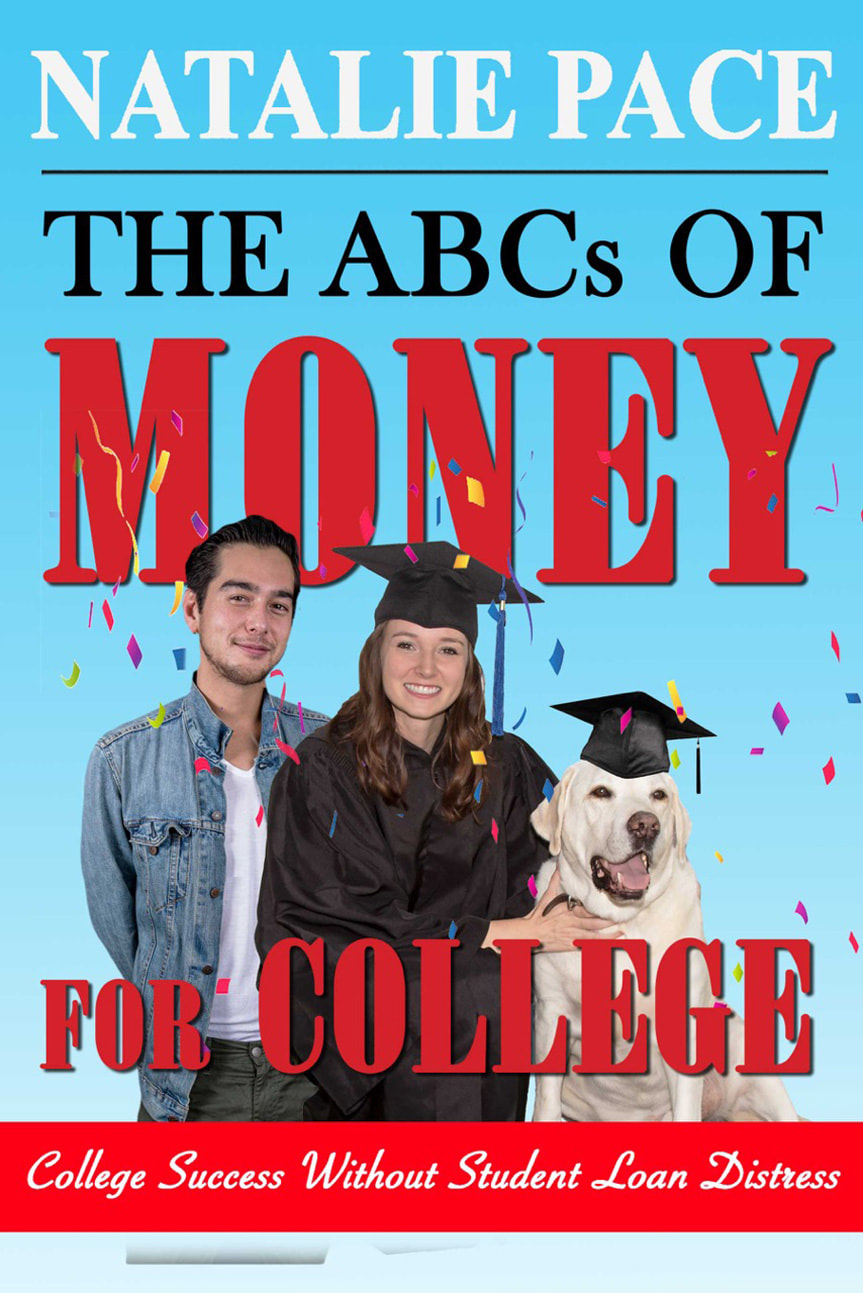
    Natalie Pace is the co-creator of the Earth  Gratitude Project and the author of The Power of 8 Billion: It's Up to Us, The ABCs of Money, The ABCs of Money for College, The Gratitude Game and Put Your Money Where Your Heart Is. She is a repeat guest & speaker on national news shows and stages. She has been ranked the No. 1 stock picker, above over 830 A-list pundits, by an independent tracking agency, and has been saving homes and nest eggs since 1999.

    Archives

    October 2025
    September 2025
    August 2025
    July 2025
    June 2025
    May 2025
    April 2025
    March 2025
    February 2025
    January 2025
    December 2024
    November 2024
    October 2024
    September 2024
    August 2024
    July 2024
    June 2024
    May 2024
    April 2024
    March 2024
    February 2024
    January 2024
    December 2023
    November 2023
    October 2023
    September 2023
    August 2023
    July 2023
    June 2023
    May 2023
    April 2023
    March 2023
    February 2023
    January 2023
    December 2022
    November 2022
    October 2022
    September 2022
    August 2022
    July 2022
    June 2022
    May 2022
    April 2022
    March 2022
    February 2022
    January 2022
    December 2021
    November 2021
    October 2021
    September 2021
    July 2021
    June 2021
    May 2021
    April 2021
    March 2021
    February 2021
    January 2021
    December 2020
    November 2020
    October 2020
    September 2020
    August 2020
    July 2020
    June 2020
    May 2020
    April 2020
    March 2020
    February 2020
    January 2020
    December 2019
    November 2019
    October 2019
    September 2019
    August 2019
    July 2019
    June 2019
    May 2019
    April 2019
    March 2019
    February 2019
    January 2019
    December 2018
    November 2018
    October 2018
    September 2018
    August 2018
    July 2018
    June 2018
    May 2018
    April 2018
    March 2018
    February 2018
    January 2018
    December 2017
    November 2017
    October 2017
    September 2017
    August 2017
    July 2017
    June 2017
    May 2017
    April 2017
    March 2017
    February 2017
    January 2017
    December 2016
    November 2016
    June 2016

    Categories

    All

    RSS Feed

Proudly powered by Weebly
Photo from Alex Proimos
  • Store
  • Blog
  • Privacy Policy
  • About Natalie Pace
  • Books by Natalie Pace.
  • Vision Mission Goals
  • Media Images
  • Natalie Pace Coaching Calendar
  • Calendar of Events
  • Restormel Retreat 2027
  • Wealth Secrets of the 1% Fireside Seminar
  • Rebalancing Master Class Jan. 10, 2026
  • Natalie Pace Jan. 17-19, 2026 Financial Freedom Retreat. Online.
  • Stock Master Class 2025
  • Real Estate Master Class
  • Bond Master Class 2025
  • Options for Beginners Master Class
  • Sustainability Summit
  • Financial Freedom Game in Santa Monica
  • Store
  • Blog
  • Privacy Policy
  • About Natalie Pace
  • Books by Natalie Pace.
  • Vision Mission Goals
  • Media Images
  • Natalie Pace Coaching Calendar
  • Calendar of Events
  • Restormel Retreat 2027
  • Wealth Secrets of the 1% Fireside Seminar
  • Rebalancing Master Class Jan. 10, 2026
  • Natalie Pace Jan. 17-19, 2026 Financial Freedom Retreat. Online.
  • Stock Master Class 2025
  • Real Estate Master Class
  • Bond Master Class 2025
  • Options for Beginners Master Class
  • Sustainability Summit
  • Financial Freedom Game in Santa Monica